

Produce with us
We also produce the projects of other artists and organizations.
Three forms: coproduction, hosted production, support. We reply within two business days.
Photo: Vivien Gaumand
The two possible relationships
Hosted production · Support
You have a project and are looking for a producer
You carry a work — a libretto, a score, an idea for a walking performance — and have no structure to stage it. The company becomes the project’s producer: it handles the financing, the production and the touring. You remain its author.
- What you bring
- The work, the artistic team, the preferred timeline.
- What the company brings
- Production management, financing, outreach to venues.
- What is negotiated
- The sharing of rights, risk and touring revenue — project by project.
Coproduction
You are an organization looking for a coproducer
You already have a structure, a project under way and part of the budget secured. The company comes in as coproducer: it shares the risk, brings its production management and its network of venues, and co-signs the financing plan.
- What you bring
- The project, its artistic direction, the share of funding already obtained.
- What the company brings
- A share of the budget, production management, touring in Quebec.
- What is negotiated
- Each party’s share, ownership of the stage equipment, the split of receipts.
Before writing
What matters to us
The company does not choose projects by discipline: it has staged chamber opera, jazz and walking performances. It chooses them on three things, and that is the only filter.
Crossing boundaries
A project that fits in a single box — a concert, a play, a recital — will be better served elsewhere. What interests us happens between two disciplines.
The relationship with the audience
Where is the audience placed? Seated, standing, walking, a metre from the voices? A project that has not yet asked itself the question is not yet a project for us.
Keeping to the calendar
The company stages two to three projects a year. A file received eighteen months before opening night has a chance; six months before, almost none.
Precedents
Projects that came from outside
A hosted project, a coproduction — a precedent for each of the two paths, and what made it a fit.
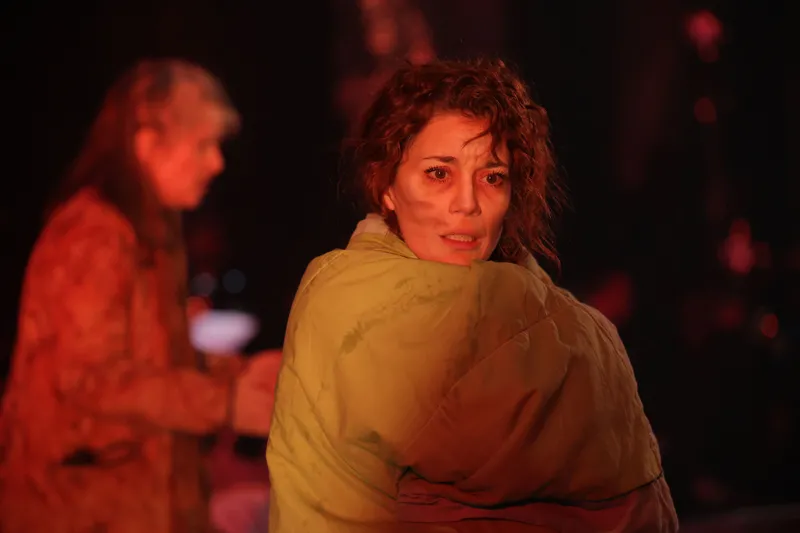
Co-production · 2026
L'hiver attend beaucoup de moi
Texte à fournir
What made it a fit. Texte à fournir
Production page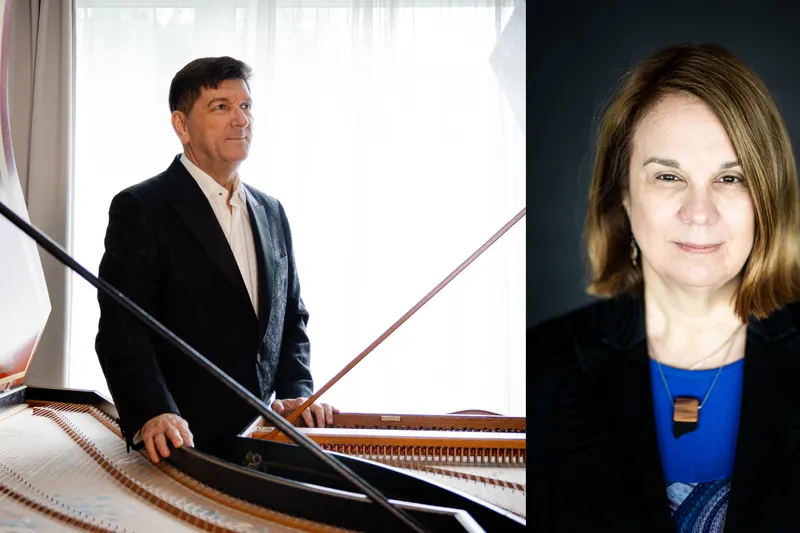
Co-production · 2027
Bach, Between Shadow and Light
Texte à fournir
What made it a fit. Texte à fournir
Production pageHow to proceed
Submit a project or propose a coproduction
One route for both paths: what changes is the content of the file, not the person you deal with.
What the submission page contains
- What the company brings, drawn from a real production: tour management, technical direction, sound, bilingual quote, press review, promotional material.
- The five steps, from acknowledgement of receipt to agreement — and how long each takes.
- The four things a first presentation must say, which are the four fields of the form.
The form has four questions and asks for no file. An email that says the same four things is just as good.
Who to write to
Check on us
The company’s track record
Before entrusting a project, you want to know what the company has staged, with whom, and what was written about it. The pages that say so: